
A Simple Step Toward Safer Propane Use
Staying safe around propane begins with knowing the basics. Whether you're using propane at home, on the road, or in your business, understanding how to handle it safely protects people, property, and productivity.
Our quick quiz helps you identify risks, reinforce good habits, and prevent costly mistakes.
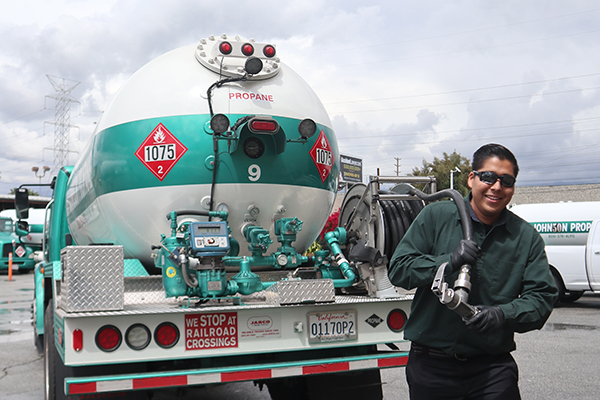
Propane Safety Quiz
Test your knowledge and stay safe - take our quick propane safety quiz today. Available in both English and Spanish, this quiz helps you understand the do’s and don’ts of handling propane at home or on the job.
English Propane Safety Quiz
Spanish Propane Safety Quiz
Key Safety Tips for Smart Propane Use
Why Propane Safety Is Important
Propane is a clean, reliable energy source, but it must be handled with care. Safety is not just a good practice; it is critical to protecting lives, property, and business operations.
When users are educated on propane safety, they are far less likely to experience fires, leaks, or carbon monoxide exposure. This applies to residential users, commercial operations, and fleet managers alike. One overlooked detail can lead to serious consequences.
At Ted Johnson Propane, we believe prevention begins with awareness. Making safety a priority helps you operate with confidence and avoid unnecessary risks.
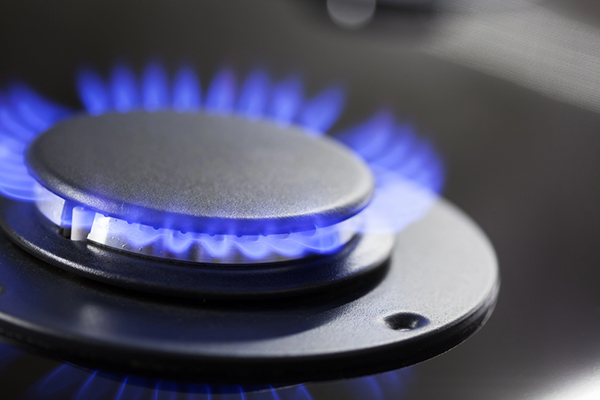
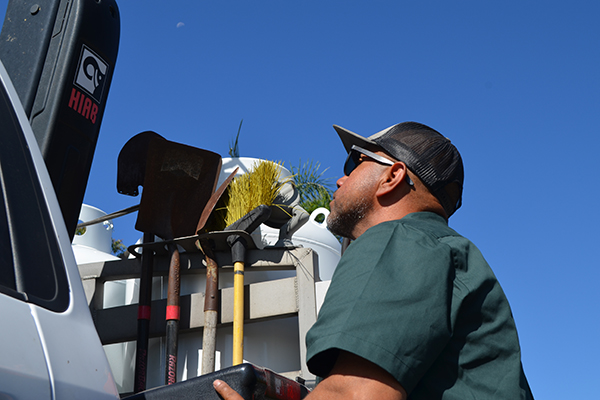
What Can Happen Without Proper Safety Practices
Propane is safe when used correctly, but ignoring basic safety steps can lead to serious incidents. Many issues stem from preventable causes like equipment failure, improper storage, or user error.
Common risks include:
These risks can be minimized with routine maintenance, staff training, and emergency planning. Awareness is your first defense.
Make Safety a Standard, Not an Afterthought
Whether you're managing a fleet, running a restaurant, or powering a home, propane safety should be part of your regular routine. Everyone involved, employees, contractors, or family members, should know how to detect issues and respond quickly.
Safety is not a one-time event. It’s an ongoing habit supported by education, inspection, and expert guidance.
At Ted Johnson Propane, we help customers put proactive safety measures in place to reduce risks and meet regulatory standards.
Let’s build a culture of safety together.
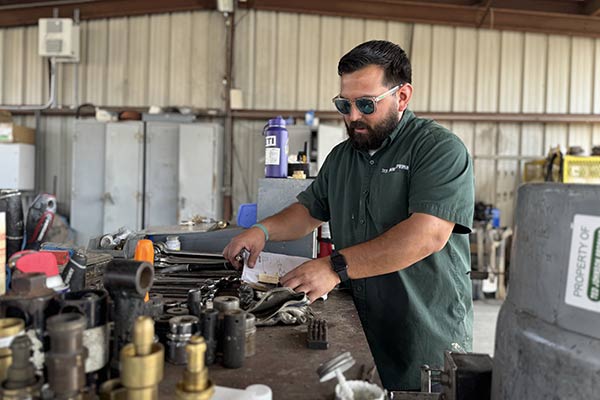
Our Commitment to Safety and Service
Ted Johnson Propane has been Southern California’s trusted propane partner for decades.
We don’t just deliver fuel, we deliver confidence. Our team is dedicated to safety, service, and customized solutions that fit your needs.
Request Your Free Safety Consultation
Propane Safety Quiz FAQ
Yes, propane is very safe when handled properly. With the right equipment, training, and awareness, it is one of the most efficient and reliable fuels available.