
Table of Contents
- Understanding Alternative Fuel Options for School Transportation
- CNG Vs. Propane School Buses: Comparing the Key Differences
- Environmental Considerations
- Factors School Districts Across Southern California Should Evaluate Before Choosing a Fuel
- Why Propane is a Popular Choice for School Bus Fleets
- FAQs: CNG Vs Propane
- Conclusion
- Contact Ted Johnson Propane for Reliable Propane Services in Southern California
As school districts look for cleaner, more cost-effective transportation, compressed natural gas (CNG) and propane have emerged as leading alternatives to diesel-powered school buses. While both offer environmental and operational benefits, their long-term costs and infrastructure needs differ significantly.
Ted Johnson Propane provides dependable propane solutions that help school transportation fleets operate efficiently through reliable fuel delivery and knowledgeable support, offering safe, cost-effective fueling solutions that keep buses running on schedule.
Knowing the differences between CNG vs propane is essential for making an informed fleet investment. This article examines infrastructure, operating costs, maintenance requirements, vehicle performance, environmental impact, and long-term value to help school districts determine which fuel best supports their transportation goals.
Lower School Transportation Costs: Trust Ted Johnson Propane for dependable propane service. Call today!
Understanding Alternative Fuel Options for School Transportation
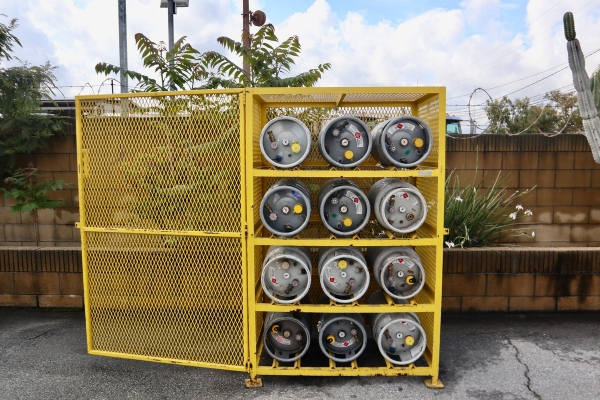
School districts across the country are increasingly exploring alternatives to diesel to achieve cleaner emissions, lower operating costs, and more sustainable transportation solutions. Compressed natural gas (CNG) and propane are among the most common alternative fuels, each offering unique advantages depending on a district’s budget, infrastructure, fleet size, and operational needs. Understanding how these fuels differ is an important first step toward selecting the option that best supports long-term transportation goals.
Before comparing costs and performance, it is helpful to understand how CNG and propane differ in the areas that matter most to school transportation fleets.
Keep Your School Buses Ready for Every Route: Choose Ted Johnson Propane for reliable propane delivery. Call now!
CNG Vs. Propane School Buses: Comparing the Key Differences
Several factors influence whether CNG or propane is the better choice for a school transportation fleet. Evaluating infrastructure, operating costs, maintenance, and vehicle performance provides a clearer picture of each fuel’s long-term value.
Fueling Infrastructure and Accessibility
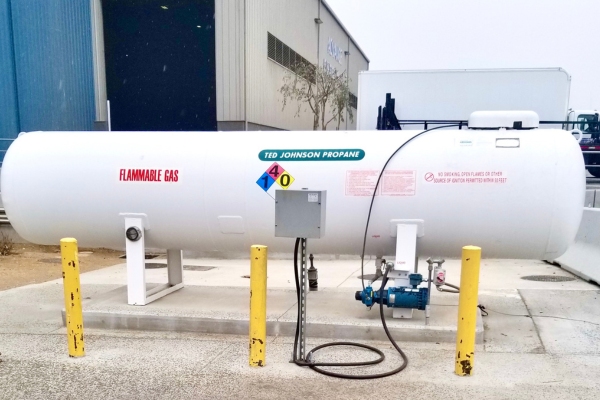
Fueling infrastructure is one of the biggest differences between CNG and propane school buses. CNG fueling stations typically require compressors, high-pressure storage equipment, and substantial upfront investments, making installation more complex and expensive.
Propane systems are generally easier to install, require less specialized equipment, and can be paired with on-site storage and scheduled fuel deliveries. This flexibility allows many school districts to implement propane fueling with lower initial costs and less disruption.
Vehicle Purchase and Operating Costs
The total cost of ownership extends beyond the purchase price of a school bus. Vehicle pricing, fueling infrastructure, maintenance requirements, fuel costs, and facility upgrades all contribute to long-term operating expenses.
While CNG and propane can both reduce fuel costs compared to diesel, CNG fleets often require greater upfront investments for fueling infrastructure and specialized equipment. Propane systems are generally less expensive to install and maintain, which can help many school districts achieve lower overall ownership costs and more predictable long-term budgeting.
Support Safe and Reliable Student Transportation: Count on Ted Johnson Propane for professional propane solutions. Reach out to us today!
Maintenance Requirements
Routine maintenance plays an important role in fleet reliability and operating costs. Propane-powered buses generally require maintenance procedures similar to gasoline-powered vehicles, allowing many service departments to work with familiar engine systems. CNG buses contain high-pressure fuel tanks and related components that require specialized inspections, equipment, and technician training, which can increase maintenance complexity over time.
Vehicle Performance and Reliability
School buses must deliver dependable performance across a wide range of operating conditions. Both CNG and propane buses provide reliable operation, but they differ in areas such as cold-weather starting, driving range, refueling time, and overall fleet efficiency.
Propane buses are well known for reliable cold-weather performance, responsive acceleration, and quick refueling, while CNG buses may require additional considerations for fueling infrastructure and cold-weather operation. These factors can influence daily schedules, fleet uptime, and overall transportation efficiency.
Environmental Considerations

Environmental impact is an essential consideration when comparing CNG and propane school buses. Both fuels produce fewer emissions than traditional diesel, but they differ in several areas. Propane is recognized for its clean-burning characteristics, producing low levels of nitrogen oxides and particulate matter. At the same time, natural gas offers reduced carbon emissions but may involve methane emissions during production and distribution.
Both fuels also operate quietly, helping minimize noise around schools and residential neighborhoods. Renewable fuel options continue to expand as well. Renewable propane and renewable natural gas (RNG) provide additional opportunities to reduce lifecycle greenhouse gas emissions, with renewable propane offering a practical solution that works with existing propane vehicles and fueling infrastructure.
Simplify School Bus Fueling: Turn to Ted Johnson Propane for dependable propane service. Get in touch with our experts today!
Factors School Districts Across Southern California Should Evaluate Before Choosing a Fuel
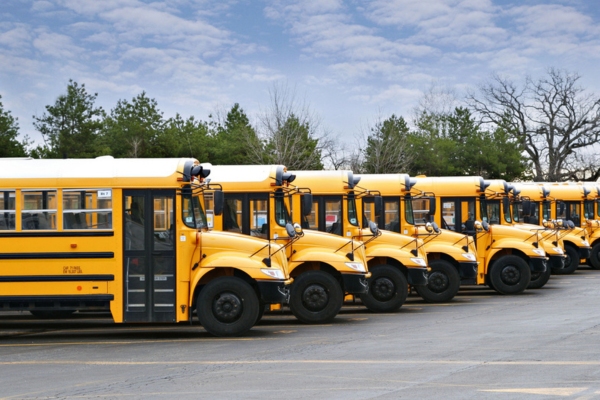
Selecting the right alternative fuel involves weighing operational needs, available resources, and long-term costs. Considering these factors can help school districts choose the option that best supports their transportation goals.
- Fleet Size and Route Requirements: Daily mileage, route length, and scheduling demands influence how well a fuel fits a transportation fleet. Propane’s reliable performance and quick refueling can be advantageous for many school bus operations.
- Budget and Available Funding: Vehicle purchases, fueling infrastructure, operating expenses, and long-term maintenance all contribute to the overall investment. Lower infrastructure costs may make propane a more practical option for some school districts.
- Local Fuel Availability: Dependable fuel suppliers, onsite delivery options, and convenient refueling access help support uninterrupted fleet operations. Propane delivery services can provide added flexibility for districts without nearby fueling stations.
- Maintenance Resources: Maintenance facility capabilities, technician experience, equipment requirements, and ongoing service support all influence long-term fleet management. Propane-powered buses generally require less specialized servicing than CNG fuel systems.
Help Your Fleet Perform at Its Best: Trust Ted Johnson Propane for reliable propane delivery. Contact us today!
Why Propane is a Popular Choice for School Bus Fleets

Many school districts have adopted propane-powered school buses because it offers a practical balance of affordability, reliability, and operational efficiency. Simpler fueling systems, lower installation costs, and faster implementation can reduce the upfront investment required to transition from diesel or other alternative fuels. Onsite propane storage and scheduled fuel deliveries also provide dependable fuel availability while reducing reliance on public fueling stations.
Propane continues to appeal to transportation fleets for its familiar engine technology, straightforward maintenance requirements, and reliable performance across a range of weather conditions, including cold climates. Combined with lower ownership costs, predictable maintenance expenses, and a consistent fuel supply, these advantages make propane a strong long-term option for many school districts.
Make the Transition to Propane Easier: Choose Ted Johnson Propane for expert propane solutions. Schedule a delivery with us today!
FAQs: CNG Vs Propane

How Long Does It Take to Refuel a Propane School Bus?
Propane school buses can typically be refueled in about the same amount of time as diesel buses, allowing fleets to return to service quickly. Faster refueling helps reduce vehicle downtime and can simplify daily fleet operations, particularly for districts with multiple route schedules.
How Often Do Propane School Buses Need to Be Refueled?
Refueling frequency depends on the bus’s fuel tank size, daily mileage, passenger load, and route conditions. Many school districts refuel their propane buses at the end of each day, helping ensure they are ready for the next morning’s routes.
How Safe Are Propane School Buses?
Propane school buses are equipped with multiple safety features, including durable fuel tanks, pressure relief devices, automatic shutoff valves, and reinforced fuel lines. These systems are designed to meet rigorous federal safety standards and help protect passengers, drivers, and maintenance personnel.
Keep Your Fleet Ready for Every School Day: Rely on Ted Johnson Propane for dependable propane service. Call now!
Can Propane School Buses Be Used for Long Routes?
Yes. Many propane school buses are designed to handle both short and extended daily routes. The appropriate fuel tank size and route planning help ensure buses have sufficient range to complete their scheduled trips efficiently.
How Does Propane Affect Engine Lifespan?
Propane burns cleanly, producing less carbon buildup than many conventional fuels. Reduced deposits can help minimize engine wear, support consistent performance, and lower maintenance requirements over time. Following the manufacturer’s recommended maintenance schedule remains essential for maximizing engine life.
Conclusion
CNG and propane both offer cleaner alternatives to diesel for school transportation. Still, propane often provides practical advantages through lower infrastructure costs, simpler maintenance, reliable cold-weather performance, and flexible on-site fueling. These benefits can help school districts improve operational efficiency while managing long-term ownership costs.
If your district is considering propane as an alternative fuel solution, contact Ted Johnson Propane. Our experienced team can help you evaluate dependable propane fueling options that support safe, reliable, and cost-effective student transportation.
Find the Right Propane Solution for Your Fleet: Contact Ted Johnson Propane to get started. Call today!
Contact Ted Johnson Propane for Reliable Propane Services in Southern California
Homes and commercial facilities rely on Ted Johnson Propane for dependable propane solutions throughout Southern California that support their everyday energy needs. We provide high-quality propane along with responsive service to help customers maintain comfort, productivity, and efficient operations year-round.
Whether you need propane for home heating, cooking, forklifts, farming equipment, or commercial applications, our team offers flexible delivery schedules and dependable fuel solutions tailored to your requirements. Every delivery is backed by a commitment to reliable service, consistent communication, and a steady fuel supply that helps minimize disruptions.
At Ted Johnson Propane, safety, professionalism, and customer satisfaction are at the center of everything we do. Contact us today to learn more about our propane services or to schedule your next delivery.
You can click here to contact us now or call us at (626) 337-1222 to find out more! Click the link to view our service area.
Related Articles:
- Luxury on Wheels: How Propane Powers Comfort in Motorhomes and RVs
- Why Construction Companies Rely on Propane for Jobsite Efficiency
- Propane Uncovered: Facts Behind The Most Common Myths
- Propane on the Move: How Businesses Use Propane to Transport People, Products, and Services
- The Art of Propane: How Creative Businesses Use Propane for Pottery, Glassblowing, and Jewelry Making