
A cleaner fuel that works exactly like the propane you know
Conventional propane has powered American homes and businesses for over a century because it’s dependable, affordable, and goes where other energy can’t. Renewable propane keeps all of that and lowers the carbon.
The difference is the source. Conventional propane comes from natural gas processing and crude oil refining. Renewable propane is made from renewable feedstocks (used cooking oil, plant oils, and animal fats) and it shows up today mostly as a byproduct of producing renewable diesel and sustainable aviation fuel. The chemistry that comes out the other end is identical to conventional propane, which is why it’s a true drop-in fuel.
Drop-in means drop-in
You don’t buy new tanks. You don’t convert your forklifts, autogas vehicles, generators, or appliances. You don’t install new infrastructure. Renewable propane behaves the same on delivery, in storage, and at the burner tip, the only thing that changes is its carbon intensity.

Lower carbon intensity, measured and certified
Carbon intensity is the amount of carbon emitted for every unit of energy a fuel produces, measured in grams of CO₂ equivalent per megajoule (gCO₂e/MJ). Lower is cleaner. Because renewable propane comes from bio-based sources, its carbon intensity is well below conventional propane.
The California Air Resources Board (CARB) scores renewable propane made from domestic used cooking oil at roughly 20.5 gCO₂e/MJ. Conventional propane sits at 79, already lower than most other energy sources.
| Energy Source | Carbon intensity (gCO₂e/MJ) |
|---|---|
| Renewable propane (used cooking oil feedstock, CARB) | 20.5 |
| Conventional propane | 79 |
Source: California Air Resources Board (CARB). Scores vary by feedstock.
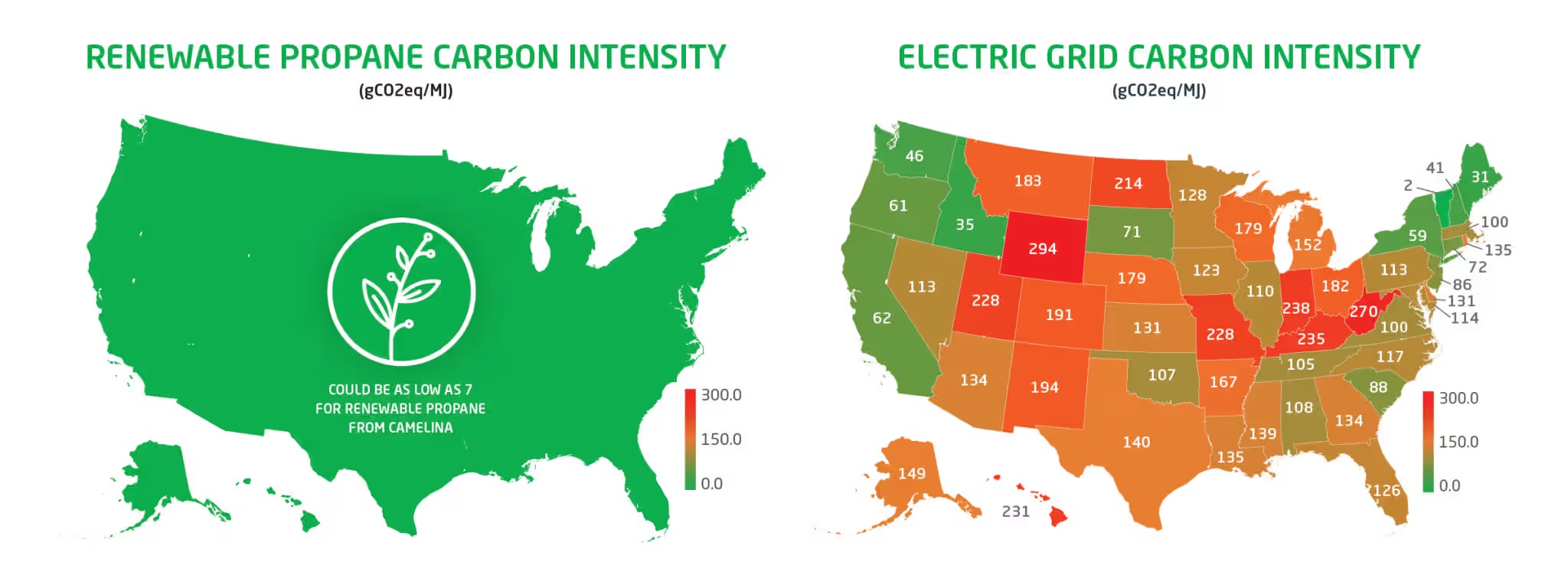
Renewable propane made from camelina oil also carries a lower carbon-intensity score than the electric grid in the large majority of U.S. states.
For a fleet weighing electrification, that’s the headline: you can cut emissions now, with fuel that works in your current equipment, instead of waiting on charging infrastructure and grid upgrades.
Made from waste and cover crops, not food
Renewable propane starts as material that would otherwise go unused. The most common feedstocks are used cooking oil, animal fats, and plant oils. A fast-growing source is the seed oil of the camelina plant, a non-food member of the mustard family, related to kale and cauliflower.
Camelina earns its place for reasons that go beyond the fuel:

Built for Southern California fleets and facilities
Renewable propane isn’t a someday fuel. U.S. processors make it today, and supply is climbing as renewable diesel and sustainable aviation fuel scale up, renewable propane comes along as a byproduct. For operations in Southern California, the combination of a low carbon-intensity score and California’s Low Carbon Fuel Standard makes it a practical way to lower emissions on a real timeline.
Our certified technicians and service staff are on call to support your system year-round.
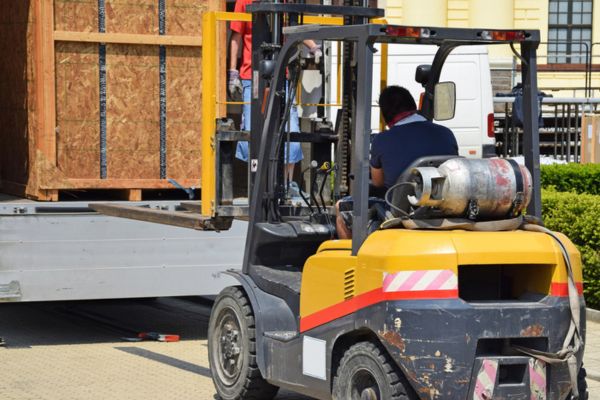
It fits the equipment Ted Johnson already fuels:
If you’re comparing your options for cleaner energy, we’ll help you evaluate renewable propane against your current fuel and against electrification - honestly, with the numbers that apply to your equipment and your sites.
Renewable propane questions, answered
Renewable propane is chemically identical to conventional propane and performs exactly the same, but it’s made from renewable feedstocks instead of fossil sources. Most renewable propane today is a byproduct of producing renewable diesel and sustainable aviation fuel from plant oils, animal fats, and used cooking oil. Because the molecule is the same, it works in your existing tanks, lines, and equipment with no conversion.
Ready to lower your carbon without changing your equipment?
Join the Southern California businesses and fleets that trust Ted Johnson Propane for dependable delivery and expert support. We’ll walk you through what renewable propane means for your operation and your numbers.
Get My Renewable Propane Quote
Tell us about your operation and we'll send pricing built for your equipment and delivery needs. No commitment, no pressure.